Ship features, not status updates.
Sprint planning, feature tracking, and release coordination — with AI agents that handle the busywork. Product plans. Engineering executes. Agents coordinate.
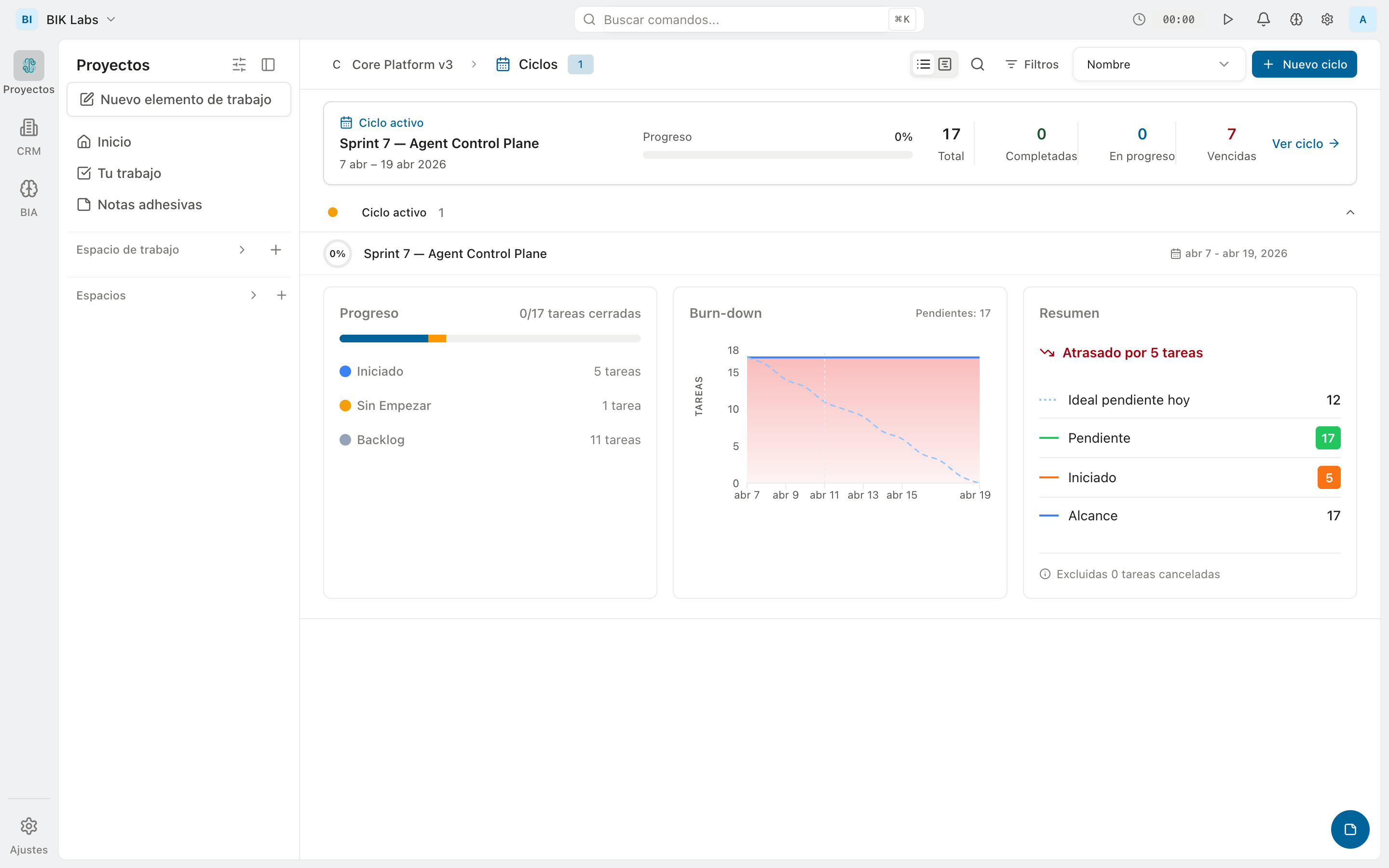
Sprints that plan themselves
SprintPlanner analyzes velocity, suggests scope, and drafts sprint goals. You approve. Your team executes. Historical data feeds better estimates each cycle. No more two-hour planning meetings — the agent does the homework, you make the call. Agents don't count as seats — add SprintPlanner, FeatureWriter, and ReleaseCoordinator without touching your headcount budget.
From idea to shipped feature
Initiatives break into epics. Epics break into issues. Issues get assigned to humans or agents. Full traceability from strategy to code. FeatureWriter drafts feature specs from user stories — complete with acceptance criteria, edge cases, and technical notes. Product managers define what. Agents structure how.
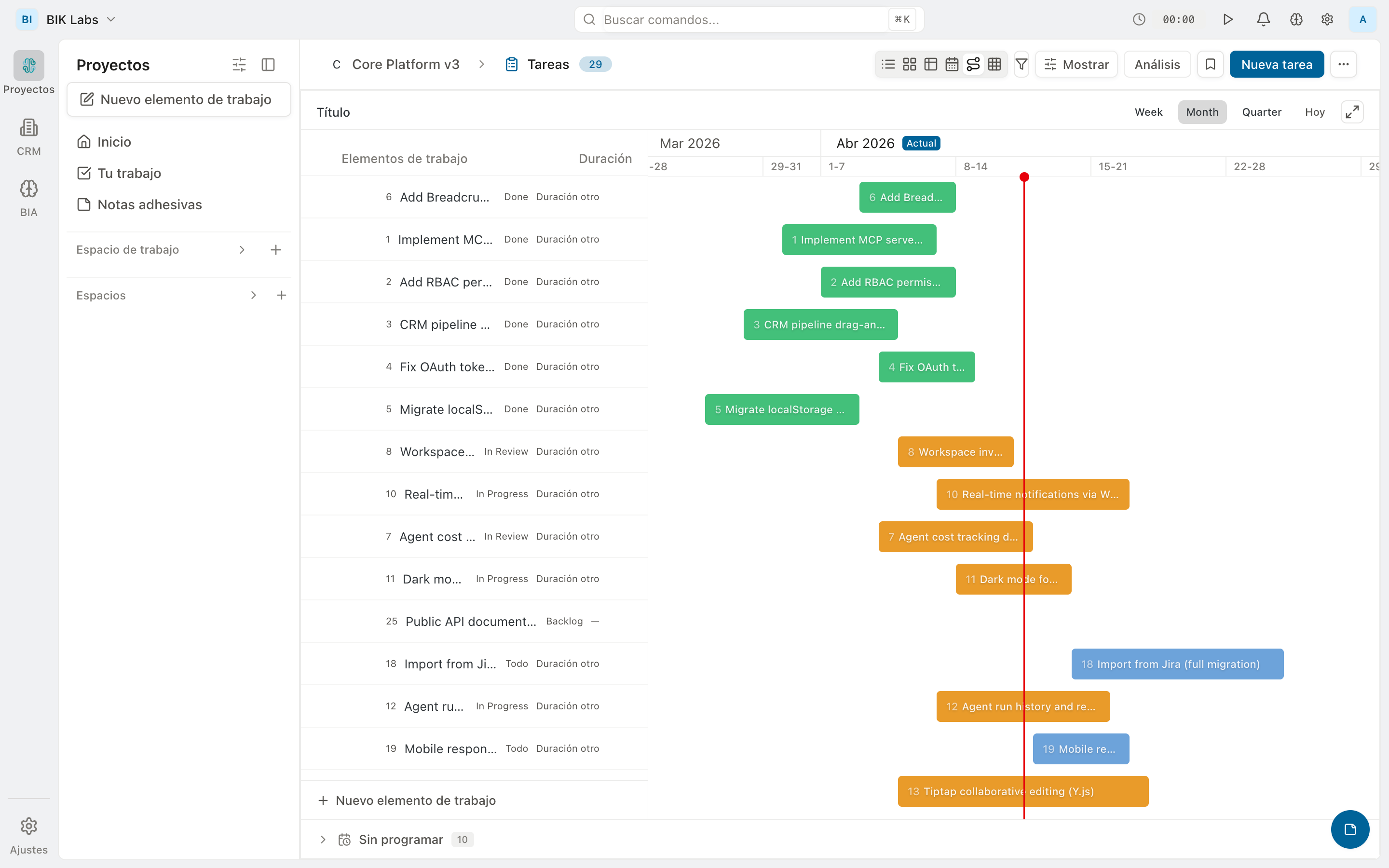
Release coordination without the meetings
ReleaseCoordinator tracks blockers across teams, drafts release notes, and notifies stakeholders automatically. One less standup per week. Internal Agents handle the coordination tax — status updates, changelogs, stakeholder emails — so your team stays in flow instead of in meetings.
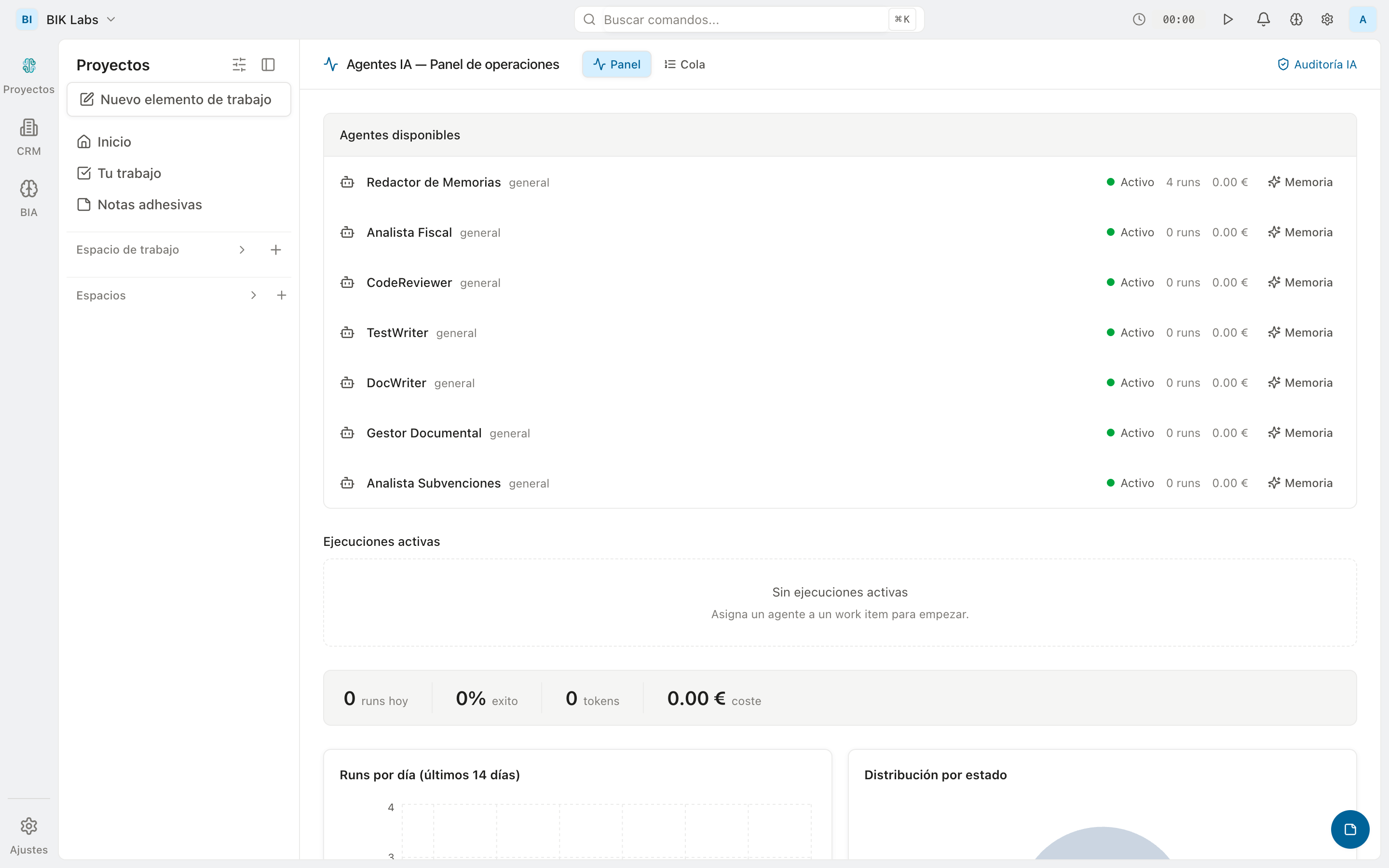
BYOA: engineers connect their IDE
Engineers connect Claude Code or Cursor via MCP. PM assigns work items. IDE executes. Code stays in git. Control stays in BIK Labs. Work items update automatically as code ships. The bridge between product management and engineering — no context switching, no copy-pasting ticket numbers.